Smartphones in Nepal have come a long way and if you’ve been paying attention over the past decade, the shift has been pretty wild. Back in the day, feature phones were everywhere. Now? You can’t walk down a street in Kathmandu or scroll through TikTok or Reel without noticing how deeply smartphones have embedded themselves into daily life. The big change really kicked off in the early 2015s, and since then, things have moved fast, thanks to better internet access, more affordable phones, and people getting way more tech-savvy.
Chinese brands like Xiaomi, Oppo, and Realme basically rewrote the rulebook here. They nailed that sweet spot of price and performance, which is exactly what most Nepali buyers are looking for. On the other side, Samsung and Apple have stayed strong, especially among those going for mid-range or flagship models. A lot of this growth also lines up with the rollout of 4G across the country, once mobile internet got faster and more stable, people naturally started doing more on their phones: from social media and online shopping to mobile banking and digital payments. It’s no surprise then that newer phones in Nepal are being judged hard on things like battery life, cameras, and processing power we want more, and honestly, we’re finally getting it.
Xiaomi isn’t just a phone brand anymore, it’s turned into a full-on electronics ecosystem. Besides its smartphones, you’ll find everything from Mi TVs and fitness bands to air purifiers with the Xiaomi label on them. And here in Nepal, Xiaomi has really made its mark. It’s currently one of the top-selling smartphone brands, and for good reason; their devices offer great value without cutting corners. If you’ve ever bought a Xiaomi phone locally, chances are it came through one of two official distributors: Vatsal Impex and Teledirect Pvt. Ltd. Vatsal mainly looks after customers inside the Kathmandu Valley, while Teledirect handles things for the rest of the country. It’s a setup that’s worked pretty well, helping Xiaomi stay accessible and popular all across Nepal.
Xiaomi's most recent low-cost smartphone in Nepal is the Redmi A5 4G, which replaces the Redmi A3. Smoother images for daily use are provided by its 6.88-inch IPS LCD display, which has a refresh rate of 120 Hz and a pixel resolution of 720 x 1640. The Unisoc T7250 processor, 4GB of RAM, and 64GB or 128GB of internal storage, which can be expanded using a dedicated microSDXC slot power the device's internal components. The Redmi A5 has two cameras: a 32MP primary rear camera and an 8MP front-facing camera for video calls and selfies.
The phone has a 5200mAh battery that can be charged quickly at 15W via a USB Type-C connector. Wi-Fi 5, Bluetooth 5.3, GPS, and a 3.5mm headphone connector are among the connectivity choices.
🛍️ Buy Redmi A5 hereThe Redmi 14C is a new low-cost model from the Chinese tech in Nepal. It has a Mediatek Helio G81 Ultra chipset, 256GB of internal storage, and up to 8GB of RAM. It features a larger 6.88-inch IPS LCD panel with a refresh rate of 120 Hz, a touch sampling rate of 240 Hz, and a maximum brightness of 600 nits.
Moving on to the optics, the device has a dual camera configuration consisting of a 13MP front camera for selfies, a 50MP primary, and a secondary AI lens on the back. Finally, a 5,160mAh cell that supports 18W rapid charging powers the phone.
🛍️ Buy Redmi 14C hereIn Nepal, the Redmi Note 14 5G is now available. Bright and fluid images are guaranteed by its 6.67-inch AMOLED display, which has a refresh rate of 120 Hz and a maximum brightness of 2,100 nits. With an IP64 rating and Corning Gorilla Glass 5 protection, it is durable against water splashes and dust. The MediaTek Dimensity 7025 Ultra chipset, up to 8GB of RAM, and 256GB of internal storage that may be expanded via microSD are the device's internal components. It has an intuitive user interface thanks to Xiaomi's HyperOS, which is based on Android 14.
The smartphone's triple-camera configuration for photography consists of a 2MP macro camera, an 8MP ultra-wide lens, and a 108MP primary sensor (OIS). Additionally, 45W quick charging is supported by a 5,110mAh battery, guaranteeing extended use with no downtime.
🛍️ Buy Redmi Note 14 5G hereThe Xiaomi 14T is the company's first T Series phone to be available in Nepal. The specifications are similarly intriguing, and the launch price is quite competitive. You start with a Leica-branded camera combination that includes a 13 Ultrawide sensor, a 50MP primary (OIS), and a 50MP 2x telephoto lens. Additionally, the Xiaomi 14T performed admirably with punchy outputs and details during our tests. Similarly, a Mediatek Dimensity 8300 Ultra CPU, 12GB of RAM, and 512GB of roomy UFS 4.0 storage power the core.
The display that greets you is a 6.67-inch AMOLED panel that supports Dolby Vision and has a refresh rate of 144 Hz. Finally, it is powered by a 5000mAh battery that supports 67W wired rapid charging.
🛍️ Buy Xiaomi 14T hereSamsung has been a household name in Nepal’s smartphone market for years and honestly, it’s not hard to see why. Whether you’re looking for a reliable budget phone or a premium flagship packed with the latest tech, Samsung has something in almost every price bracket. Their phones have a reputation for solid build quality, consistent performance, and features that just feel well thought out. What also helps is their after-sales service, which is actually pretty dependable here, along with regular software updates that keep older devices running smoothly. Plus, Samsung is one of the few mobile brands that provides customer EMI services in Nepal, which makes it accessible to everybody. For a lot of Nepali users, that mix of reliability and user-friendliness hits the sweet spot.
The hinge design, a crucial aspect of Samsung’s foldable lineup, sees further refinement in the Galaxy Z Fold 6. Building on the improvements of its predecessor, the latest model utilizes an upgraded Flex Hinge, ensuring a seamless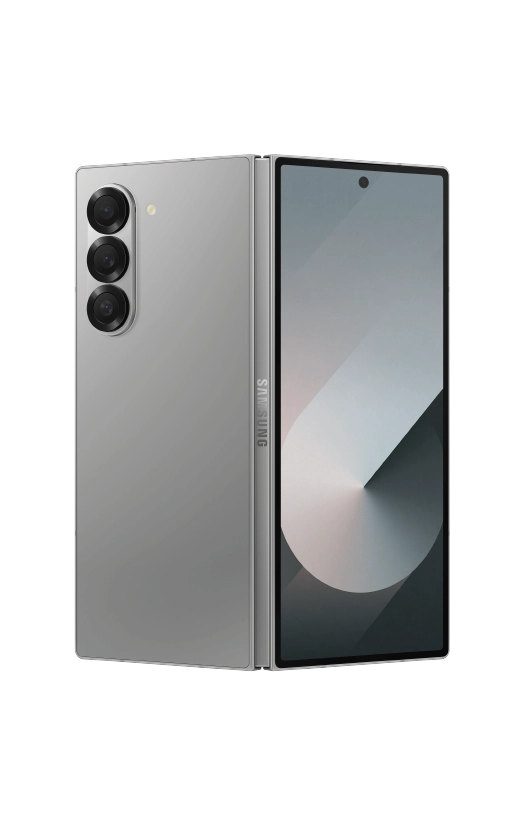
Moving forward, the Fold 6 features enhanced durability with the newest Gorilla Glass Armor, offering better scratch resistance and drop protection. Additionally, Samsung has managed to make the device even slimmer and lighter, improving portability. The S Pen has also been further refined, now smaller and more ergonomic for a better user experience.
The inner display now reaches an impressive peak brightness of 2,200 nits, providing superior visibility in outdoor conditions and making content consumption more immersive than ever.
🛍️ Buy Samsung Galaxy Z Fold 6 hereThis is the season! Additionally, the S24 Ultra. Samsung's most recent flagship has some of the best specifications. First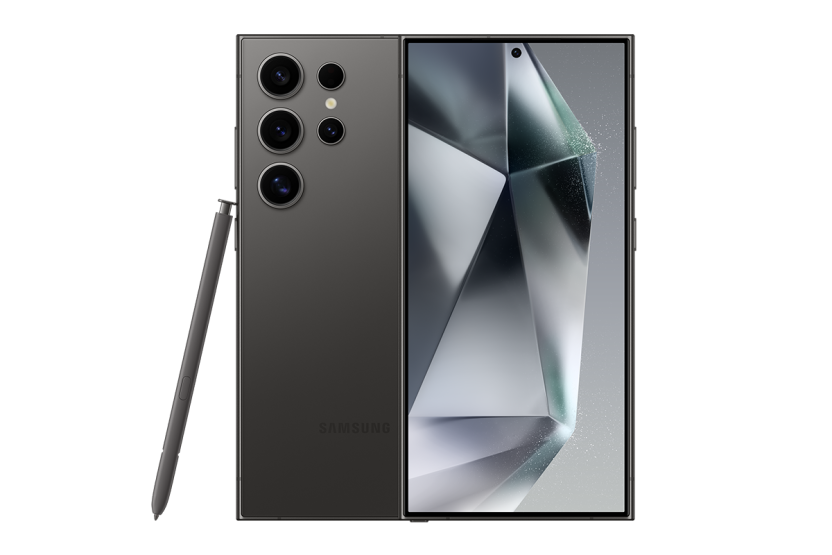 off, the Snapdragon 8 Gen 3 for Galaxy SoC, which is marginally faster than the standard one, powers it. You also get a ton of Galaxy AI capabilities, like live call translation, object erasing, circle to Google search, and AI keyboard.
Regarding optics, the S24 Ultra keeps the quad camera configuration, however this time it's different. A 50MP sensor with 5X optical zoom has taken the place of the standard 10MP telephoto unit with 10X optical zoom. According to Samsung, this lens can produce 10X images with optical zoom quality.
🛍️ Buy Samsung Galaxy S24 Ultra hereThe wait is over! The Samsung Galaxy S25 Ultra is officially up for preorder in Nepal, bringing cutting-edge specifications to the table. Powering the flagship is the latest Snapdragon 8 Gen 4 for Galaxy SoC, offering even better performance and efficiency than before. Plus, Galaxy AI takes another step forward with advanced features like real-time call summarization, enhanced object removal, Smart Compose for messages, and even more intuitive Circle to Search capabilities.
When it comes to cameras, the S25 Ultra retains the quad-camera setup, but with key improvements. The 50MP periscope telephoto lens now offers continuous zoom ranging from 4X to 10X, allowing for seamless optical-quality shots at multiple zoom levels. Samsung promises even better low-light performance and AI-powered image enhancements, making this the best Ultra camera yet.
🛍️ Buy Samsung Galaxy S25 Ultra hereSamsung's next midrange product in Nepal is the Galaxy A26 5G. Its updated camera module gives it a 2025 A-Series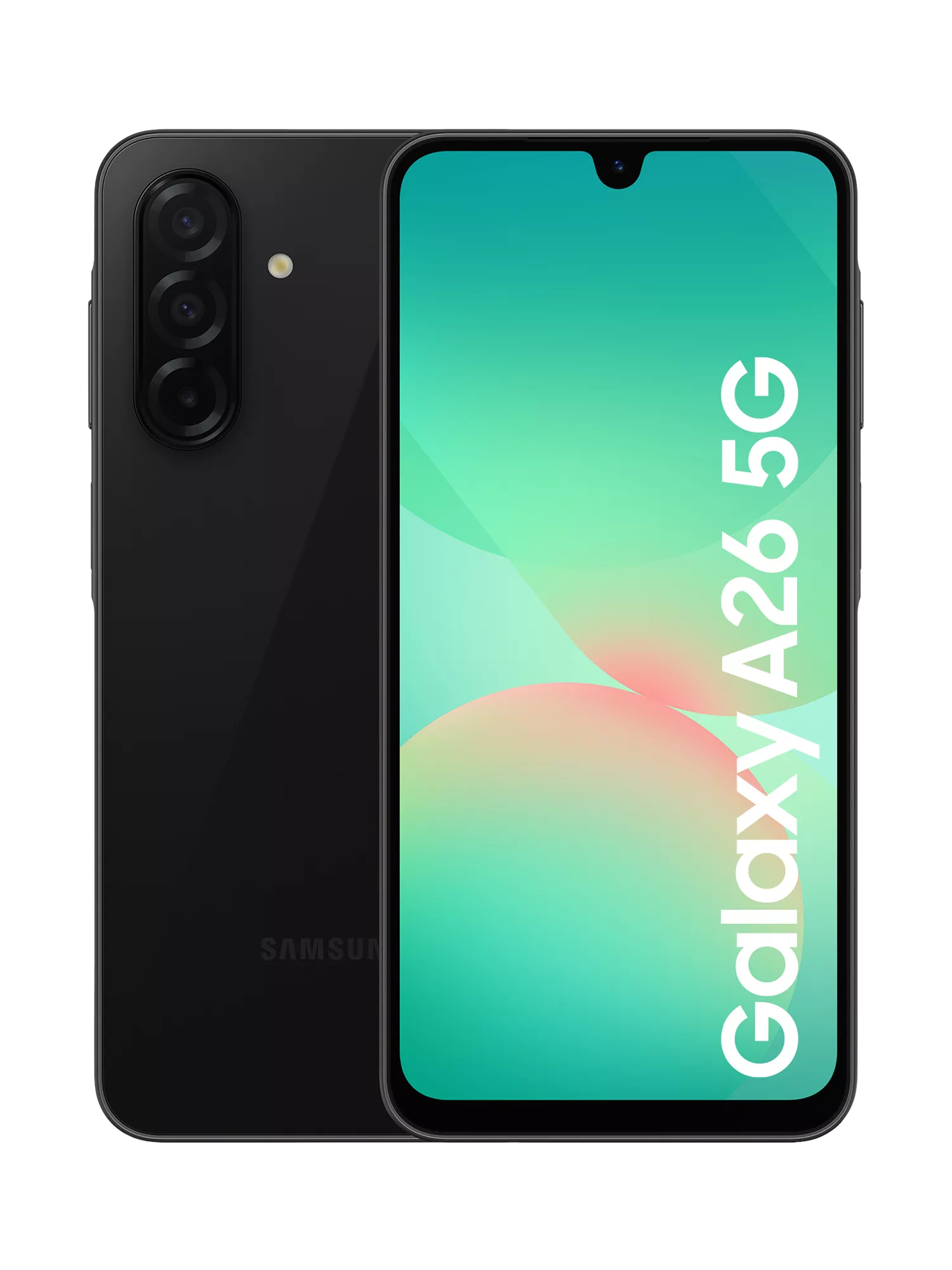
Similarly, a 5000mAh battery with 25W wired charging powers the phone. Additionally, OneUI 7, which is based on Android 15, is used for booting. Samsung guarantees five years of security patches and four major OS updates.
🛍️ Buy Samsung Galaxy A26 5G hereThe A18 Pro chipset powers the iPhone 16 Pro Max's tremendous performance, remarkable battery life, and superbdisplay clarity. It also has outstanding video recording capabilities and a long-lasting Ceramic Shield. With a few small adjustments, such as thinner bezels or a new camera button, the phone's design is similar to that of its predecessor. It does, however, have certain shortcomings, including as slow charging speeds and little camera improvements.
The iPhone 16 Pro Max is nevertheless appealing to iPhone 11, 12, or even 13 customers who want to upgrade, even though it feels like a minor improvement. Those hoping for bigger changes might want to hold off until the following year's model.
Despite being somewhat smaller than its Pro Max brother, the iPhone 16 Pro has a display that is almost exactly the same in terms in quality. The LTPO Super Retina XD OLED display, which can refresh at a steady 120 Hz, is the same in both variants.
The A18 Pro chipset, which is a major improvement over the A17 Pro present in the previous version, powers the 16 Pro's internal components. With a significant 15% performance improvement from this new chipset, the 16 Pro will provide a responsive and quick user experience.
🛍️ Buy Apple iPhone 16 Pro hereApple continues to offer the iPhone 13 at a reduced price in Nepal and around the world, despite the discontinuation of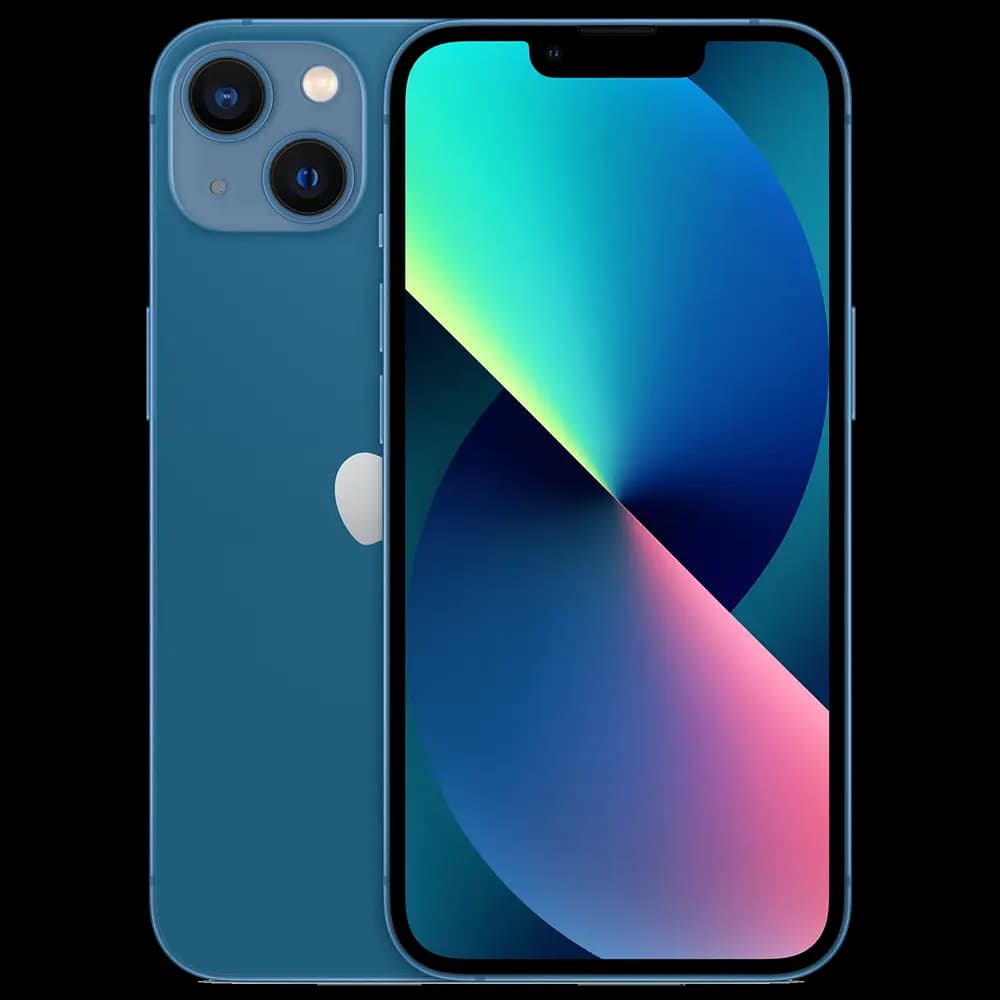 the iPhone 13 and 13 Pro. In contrast to the 120Hz refresh rate found on Pro-models, the 6.1-inch Super Retina XDR panel maintains a 60Hz refresh rate.
Similar to iPhones, it features a flat edge design and comes in four different color options: (PRODUCT)RED, Starlight, Midnight, Blue, and Pink. It is powered by the A15 Bionic chip, just like the other iPhone 13 models. An enhanced main sensor with sensor-shift OIS has been added to the dual-camera arrangement at the back.
🛍️ Buy Apple iPhone 13 hereThe iPhone 14 features a sleek 6.1-inch Super Retina XDR OLED display and is powered by Apple’s fast and efficient A15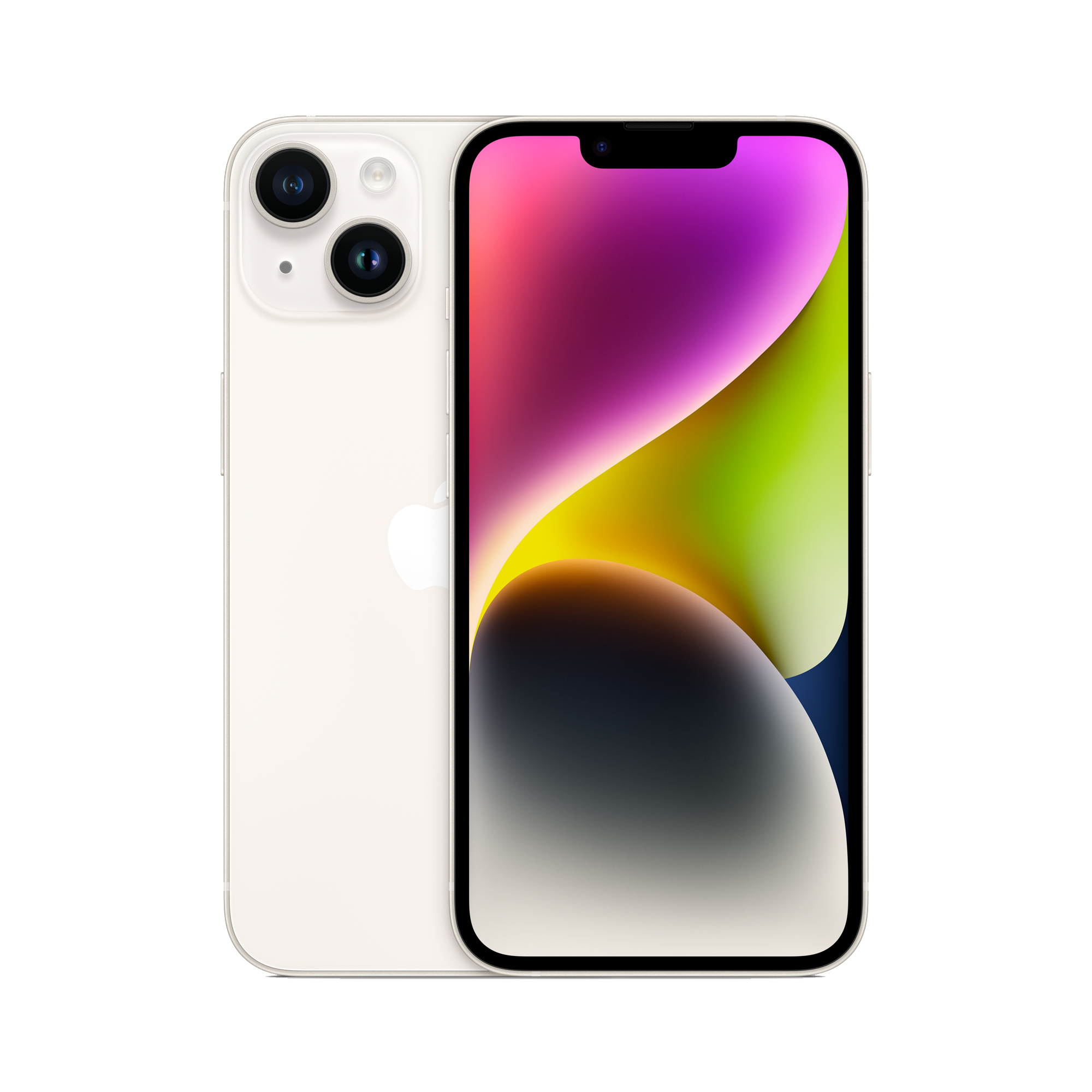 Bionic chip. It delivers smooth performance for everyday tasks and gaming, while offering excellent battery life with up to 20 hours of video playback.
Equipped with dual 12MP rear cameras and a 12MP front camera with autofocus, it captures high-quality photos and videos in any lighting. With safety features like Crash Detection and Emergency SOS via satellite, the iPhone 14 blends premium design, reliable performance, and smart features in a compact package.
🛍️ Buy Apple iphone 14 hereVivo has carved out a solid space in Nepal’s smartphone market especially among users who want good looks, solid cameras, and fast charging without spending a fortune. It’s one of those brands that consistently surprises you with the features it packs into midrange and budget phones. We’ve noticed a lot of younger users gravitate toward Vivo, and it makes sense the camera performance is often a standout, especially for selfies and social media content. Plus, their phones just look and feel premium for the price. Add in aggressive marketing and a pretty wide service network across Nepal, and it’s clear why Vivo continues to be a go-to choice for so many.
Here are some of the options for Vivo Phones in Nepal:
Vivo has introduced the Vivo Y03 to the cheap sector in Nepal. The MediaTek Helio G85 CPU, 4GB of RAM, and 64GB of internal storage are included with this phone. This low-cost gadget has an all-plastic construction, a 6.56-inch teardrop notch display, a refresh rate of 90 Hz, and HD+ resolution.
You get a 13MP primary camera and a nearly worthless 0.08MP secondary camera for optics. There is a 5MP selfie camera on the front. The phone is powered by a 5000mAh battery that supports 15W charging.
🛍️ Buy VIVO Y03 hereThe low-cost V03 smartphone's successor, the Vivo Y04, has a 12nm Unisoc processor instead of the Helio in its predecessor. It features a substantially larger 6.74-inch screen with HD+ quality that runs at 90 Hz. A 5MP selfie camera and a 13MP primary camera are located in the rear.
A standard 5000 mAh battery powers the Vivo Y04 and can be charged at up to 15W using a USB Type-C connector. In addition to dual speakers, a micro SD card is included for additional capacity. Both 64GB and 128GB storage options are available, and there is 4GB of RAM.
🛍️ Buy VIVO Y04 hereThe newest model in Vivo's sub-20k portfolio in Nepal is the Vivo Y19s. This time around, it offers a 12nm-fabbed Unisoc T612 processor. Vivo has equipped the chip with 128GB of eMMC 5.1 internal storage and 6GB of LPDDR4X RAM. With a 50MP primary sensor and a pointless 0.08MP auxiliary device, the optical system is twin camera. A 5MP camera is built within the hole-punch cutout on the front.
Similarly, a 6.68-inch HD+ IPS LCD panel with a P3 color gamut, 1000 nits of HBM mode, and a 90Hz refresh rate greets you on the display side. Finally, a 5500mAh battery that supports 15W fast charging powers the Vivo Y19s.
🛍️ Buy Vivo Y19s hereThe Vivo Y17s is the company's newest entry into the low-cost lineup. The rear design has a modest appearance and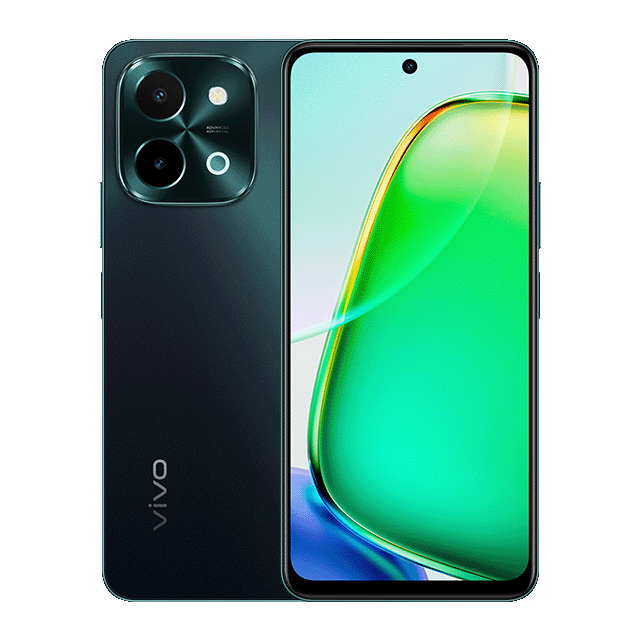 comes in two color options: Forest Green and Glitter Purple. A 6.56-inch HD+ IPS LCD display with a standard refresh rate of 60 Hz is seen on the front side.
Vivo has equipped this device with 128GB of eMMC 5.1 internal storage and 6GB of RAM. Android 13 is topped with FuntouhOS 13, which is used to boot the Y17s. Similarly, a 50MP primary camera, a 2MP depth sensor on the back, and an 8MP front camera cover the optics side. A 5000mAh battery, 15W charging, and IP54 certification are further features.
🛍️ Buy Vivo Y28 hereRealme has been making some serious noise in Nepal’s smartphone scene especially among younger, tech-savvy users who want power without blowing their budget. The brand's approach is simple but effective: pack high-performance specs (like solid processors, capable cameras, and big batteries) into phones that look way more expensive than they are. There's been a lot of people switch to Realme just because it punches above its weight especially in gaming and multitasking. Their aggressive pricing and flashy launches have helped Realme build a loyal fanbase fast, and honestly, it’s hard to ignore the value you get with these phones.
The Chinese company's latest entry into Nepal's cheap midrange series is the Realme C61. The metallic frame, which no other brands in this price category provide, is this guy's main USP. A 6.50-inch IPS panel with an HD+ resolution and a refresh rate of 90 Hz greets you on the display side.
The phone is powered by a UNISOC T612 chip and 4GB of random-access memory. The latter has an internal storage capacity of 64GB. The optics include a 32MP primary camera, a 5MP selfie camera, and a depth sensor. Finally, a 5000mAh battery with a modest 10W charging capability powers the Realme C61.
🛍️ Buy Realme C61 hereThe newest low-cost midrange phone available in Nepal is the Realme Narzo N61. The phone is essentially a rebranded version of the previously stated C61. Therefore, it has a stronger build and a metallic frame, which is admirable for a low-cost phone. Additional specifications include a 32MP camera, a UNISOC T612 SoC, 4GB of RAM, 64GB of internal storage, and more.
There is a 5000mAh battery that powers the Narzo N61 in the meantime. An HD+ 6.74-inch IPS LCD pane with a refresh rate of 90 Hz is used for the display.
🛍️ Buy Realme Narzo N61 hereThe Realme Note 60x is the company's most recent offering in Nepal's sub-15k market. It has an IP54 rating, ArmorShell protection, and a sturdy, long-lasting body. The display is a 6.74-inch IPS LCD panel with a peak brightness of 560 nits and a refresh rate of 90 Hz.
It is powered by a 12nm-processed Unisoc T612 processor under the hood. There is currently only one 4/64GB memory trim available in Nepal. You get a 5MP selfie camera and a small 8MP primary unit in terms of optics. Last but not least, a 5000mAh battery that supports 10W charging powers the Relame Note 60x.
🛍️ Buy Realme Note 60x hereThe Realme 12x features a centrally located camera island, a compact 7.89mm profile, and IP54 water and dust protection. It features a 6.67-inch LCD panel with a refresh rate of up to 120 Hz and is certified by TÜV Rheinland. It comes in green and black with designs inspired by feathers.
With 512GB of extendable storage via MicroSD and up to 12GB of RAM, it is powered by the MediaTek Dimensity 6100+ chipset. It has a 50MP primary camera, an 8MP front camera, and a 5,000 mAh battery that can be charged at 15W. It runs on Realme UI 5.0, which is based on Android 14.
🛍️ Buy Realme Note 60 hereThe Samsung Galaxy S25 and S25+ feel like the kind of upgrades that don’t scream for attention, but quietly fix all the stuff that actually matters. We’ve had some quick hands-on time with the S25+, and the first thing that hits you is that 120Hz Dynamic AMOLED 2X display it’s just... buttery, especially with the 1-120Hz LTPO refresh. Even the regular S25’s 6.2-inch screen holds its own for one-handed use without feeling cramped. Samsung’s custom-tuned Snapdragon 8 Elite chip is absurdly fast, and coupled with 12 gigs of RAM, we never once saw the thing stutter, not even when juggling a YouTube video, a game, and like eight Chrome tabs. Camera-wise, the 50MP shooter is classic Samsung: sharp, contrasty, maybe a little too punchy sometimes, but honestly, you won’t mind. It’s not a revolutionary leap, but if you care about solid battery life (especially on the S25+), premium build, and that top-tier Android polish, these two are quietly some of the best phones you can get in Nepal right now.
Why Samsung Galaxy S25/s25+?
S25: 6.2-inch 1080p+ LTPO OLED, 1-120Hz refresh rate
S25+ : 6.7-inch 1440p+ LTPO OLED, 1-120Hz refresh rate
S25: 4,000mAh, 25W wired, 15W wireless
S25+: 4,900mAh, 45W wired, 15W wireless
🛍️ Buy Samsung Galaxy S25/S25+ here
The Xiaomi 15 Ultra is the kind of phone that makes you wonder if we’ve already reached peak smartphone and then surprises you with something extra. From the second we picked it up, the weight (226g!) gave it this reassuring, premium lift, and the 6.73-inch WQHD+ AMOLED display? Just gorgeous rich colors, perfect blacks, and ultra-smooth at 120Hz. But let’s be honest: the cameras are the headliner here. A 200MP periscope lens sounds ridiculous until you zoom in on something across the street and it actually looks good. Pair that with three more 50MP sensors (wide, telephoto, ultrawide), and it’s a camera system that feels like it’s always over-delivering. Performance? Blazing, thanks to the Snapdragon 8 Elite and up to 16GB RAM, but what genuinely is impressive is the 90W wired and 80W wireless charging. You'll never have to think about battery life once. It’s bold, a little chunky, and unapologetically flagship and honestly, that’s exactly what makes it so compelling.
The iPhone 16 Pro Max is Apple flexing, but in that quiet, confident way it does best. The first and foremost thing which will make you flabbergasted is the 6.9-inch Super Retina XDR OLED it's basically like carrying a color-graded movie studio in your pocket. It’s big no denying that but the balance is spot-on, and the 120Hz ProMotion still feels like the gold standard for smooth. Apple’s new A18 Pro chip? Scary fast. But what will really have you raising an eyebrow is the new 48MP Sony sensor with Digital Gain Control. Photos now feel sharper and smarter, especially in weird lighting, and the ultrawide’s low-light upgrade is no joke. The 5x telephoto lens is finally here too, and it's crisp enough that you'll actually started using it. Battery life is solid not Android-beast-tier, but reliable and the USB-C port finally makes cable management less annoying. The exception part is it's camera control button which you find no where around. It’s expensive, sure, but it’s also quietly brilliant in all the ways that make you forget specs and just enjoy the phone. And yeah it is still best at the videos!
🛍️ Buy iPhone 16 Pro Max Ultra here
The Vivo X200 Pro feels like it was built for those of us who needs DSLR like camera in a phone but with all the specs of flagship phone. The phone’s got that sleek, slightly curved 6.78-inch AMOLED display with a crisp 1.5K resolution that makes scrolling feel downright luxurious at 120Hz. But it’s under the hood where things get wild: the MediaTek Dimensity 9400 chip is a serious leap. It runs cool, fast, and pairs beautifully with 16GB of RAM and ultra-speedy UFS 4.0 storage. Now buckle up because you get the ultimate camera setup a 200MP periscope lens that actually delivers crazy detail in far-off shots, alongside two versatile 50MP sensors that makes it a fully functional camera that fits in your jeans pocket. Add in the 6,000mAh battery with 90W charging (and yes, the charger’s in the box), and this phone just does not want to slow down. It’s a big phone, sure, but it’s also shockingly durable with both IP68 and IP69 ratings something you almost never see. Pricey? Yeah(but reasonable). For power users and photography enthusiasts in Nepal, the X200 Pro is worth of every penny that you will invest in it.
The Galaxy S25 Ultra is like Samsung going all-in AGAIN, but somehow still finding ways to tighten the screws. we got to hold it and it’s hard not to feel like you’re holding a slab of pure flagship confidence. The 6.9-inch QHD+ LTPO display is still the best in the game, shifting from buttery 120Hz down to 1Hz to save battery without you ever noticing. Performance? Blistering, thanks to the custom Snapdragon 8 Elite for Galaxy, and with up to 16GB RAM and UFS 4.0 storage, this thing just flies through apps like they’re featherweight. The quad-camera setup is kind of outstanding, the 200MP main sensor captures every little texture, and having both 3x and 5x telephoto lenses gives you flexibility no other phone really offers. The ultrawide is great too, but what you'll love the most is just how consistent the camera experience feels now. Add in a reliable 5,000mAh battery, super clean One UI 7, and the promise of seven years of updates, and this feels like the kind of phone you buy once and just... stick with. Titanium finish? Subtle flex. Total package. The kind of a phone you don't think about it you just buy it even if you have to sell you kidneys for it!!
🛍️ Buy Samsung Galaxy S25 Ultra here
For comprehensive details on mobile phones categorized by price, we invite you to explore our dedicated blog for further insights.
However, some other good qualities are offered by both of the devices
Performance: Look for a smartphone with a good processor and sufficient RAM to ensure smooth multitasking and app performance.
Battery Life: Ensure the phone has a battery that can last at least a whole day to meet your daily usage needs.
Camera: Since the camera is one of the most used functions, prioritize a phone with a high-quality primary camera with a good sensor over multiple average cameras.
Storage: Make sure the phone has enough internal storage (ROM) to meet your daily requirements or supports expandable storage via microSD cards.
Operating System and Updates: Choose a phone with an OS that you prefer and ensure it promises at least three years of software updates.
To access a comprehensive and in-depth buying guide, we encourage you to explore our dedicated blog for expert recommendations and detailed insights.
Shop by Brands














Featured Products
Featured Products
Samsung Galaxy M16 5G
Rs. 26,999
Rs. 27,999
Save Rs. 1,000
In Stock
GET IT BY TOMORROW
